欢迎来到 [东方港湾展览]
, 进入
2027宁波国际汽车零部件及售后市场展览会
A car is roughly made up of 10,000–30,000 components. Before every vehicle rolls off the production line, there is a vast and intricate procurement chain behind it.
On October 20, the State Council Information Office held a press conference to introduce the development of industry and information technology in the first three quarters of 2026. At the press conference, Wang Weiming, chief engineer of the Ministry of Industry and Information Technology, said: “Behind a complete vehicle, it is no longer a single enterprise fighting alone, but the efficient coordination of an industrial chain, the close linkage of an innovation network, and the joint support of an industrial ecosystem.”
So, what key components are behind a car? Faced with procurement needs for different categories, vehicle models and applications, how can one find Chinese suppliers more efficiently?
Understanding the entire automotive industry chain
As a pillar industry of the national economy, the automotive industry has the characteristics of a long industrial chain, high relevance, strong driving force and technology intensity. With reference to the industrial classification of the Ministry of Industry and Information Technology, the standards of the China Association of Automobile Manufacturers (CAAM) and the general framework of vehicle engineering textbooks, we can understand the composition of the automotive industry chain from three dimensions: upstream, midstream and downstream.
I. Upstream: raw materials and core components
1. Raw materials
Metal materials
High-strength steel (used for body structural parts and some chassis components, helping improve structural strength and crash safety performance); aluminum/magnesium alloys (used for body structures, housings and some functional parts, helping reduce vehicle weight and meet lightweighting needs); copper (used for wiring harnesses and motor windings to ensure electrical conductivity); cast iron (used for some engine cylinder blocks, brake components, etc., with good casting performance, wear resistance or vibration-damping performance, depending on the material type and application scenario).
Non-metallic materials
Plastic materials (including PP, PC, ABS, etc., used for bumpers, interior parts, lamp components, etc., balancing lightweighting, molding and different functional requirements); rubber (used for tires and seals, ensuring shock absorption and sealing performance); glass (used for front windshields, side windows and rear windshields, etc., and can adopt laminated, tempered, heat-insulating or sound-insulating designs according to application needs); composite materials (including carbon fiber composites, glass fiber reinforced plastics, etc., featuring light weight and high strength, and used in some body structural parts, panels and functional parts).
New-energy-specific materials
Battery materials, permanent magnet materials, insulating materials.
2. Core components
Fuel vehicle powertrain
Engine assembly, transmission assembly, intake and exhaust system, cooling system, fuel supply system.
Three-electric system of new energy vehicles
Power battery (energy storage unit, mainly lithium batteries, divided into ternary lithium batteries and lithium iron phosphate batteries, determining range and charging speed); drive motor (power unit, divided into permanent magnet synchronous motors and asynchronous motors, determining vehicle power and energy consumption); electronic control system (control unit, equivalent to the “brain” of new energy vehicles, coordinating the battery, motor, air conditioning and other equipment).
Chassis system (core of driving performance)
Transmission system, driving system, steering system, braking system.
Body structural parts
Including body frame, doors, engine hood, trunk lid and related structural parts, panels, etc., which together form the main body of the vehicle and meet requirements for strength, safety, appearance and sealing.
Intelligent systems
Automotive chips, sensors, onboard controllers.
Other standard components
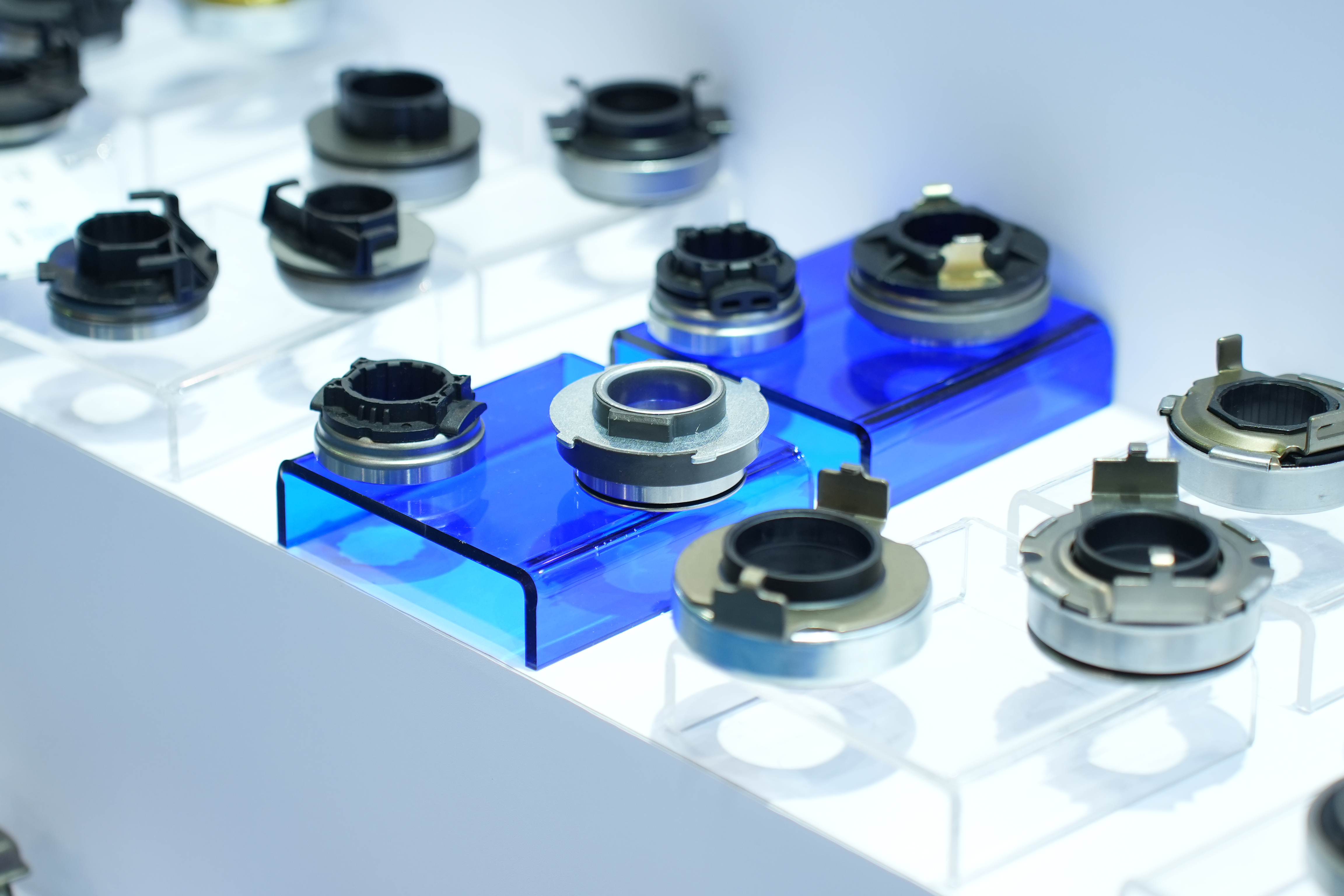
Wiring harnesses, interior parts, air conditioning systems, lights, filters, bearings, seals, fasteners, transmission components.
II. Midstream: whole-vehicle design and manufacturing integration
1. Whole-vehicle R&D and design
Vehicle architecture development, body design, chassis tuning, simulation analysis and virtual testing, performance optimization.
2. Advanced manufacturing processes
Stamping process, welding process, painting process, final assembly process, advanced manufacturing technologies.
3. Whole-vehicle testing and validation
Bench testing, road testing, scenario validation, compliance testing.
III. Downstream: new energy direction and market services
1. New energy and intelligent connected vehicles
Electrification, intelligence, connectivity.
2. Market and services
Vehicle sales: mainly through 4S dealerships, dealers, online sales platforms and other channels to sell complete vehicles to end users; after-sales services: including routine repair and maintenance, fault repair, parts replacement, vehicle recalls, etc., to ensure normal use of vehicles; supporting services: auto finance, used-car transactions, mobility services, charging services, etc., to improve the vehicle usage ecosystem.
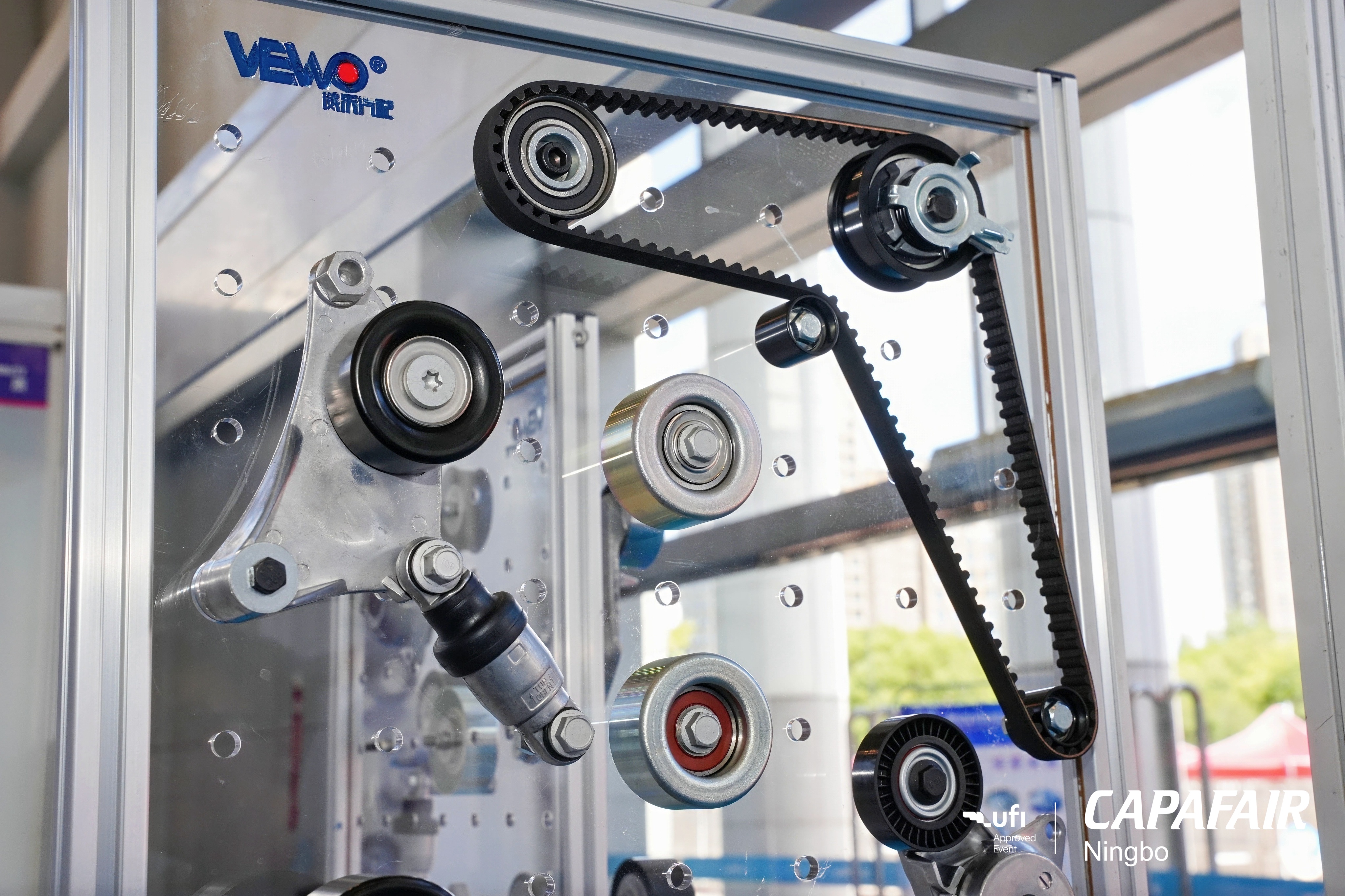
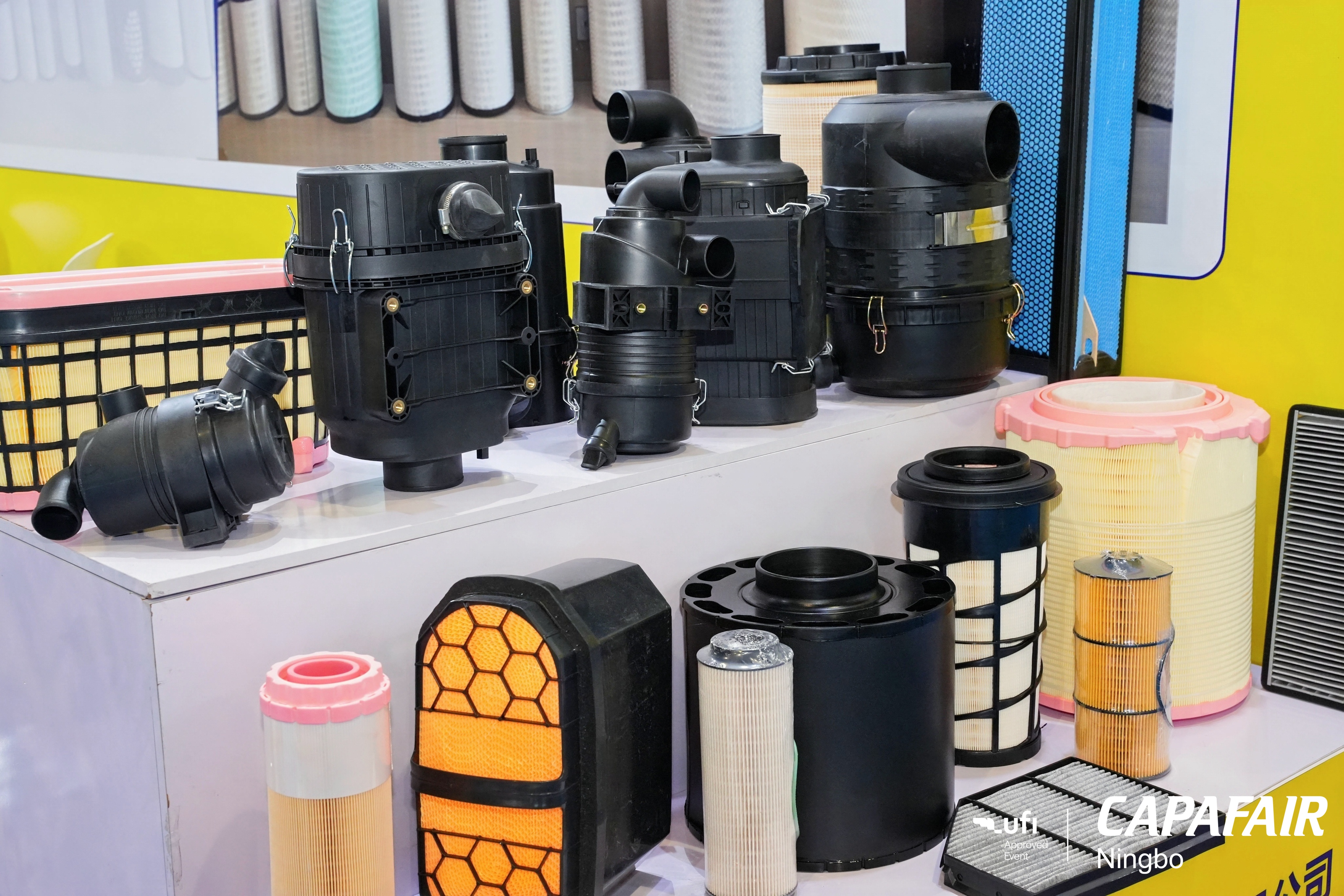
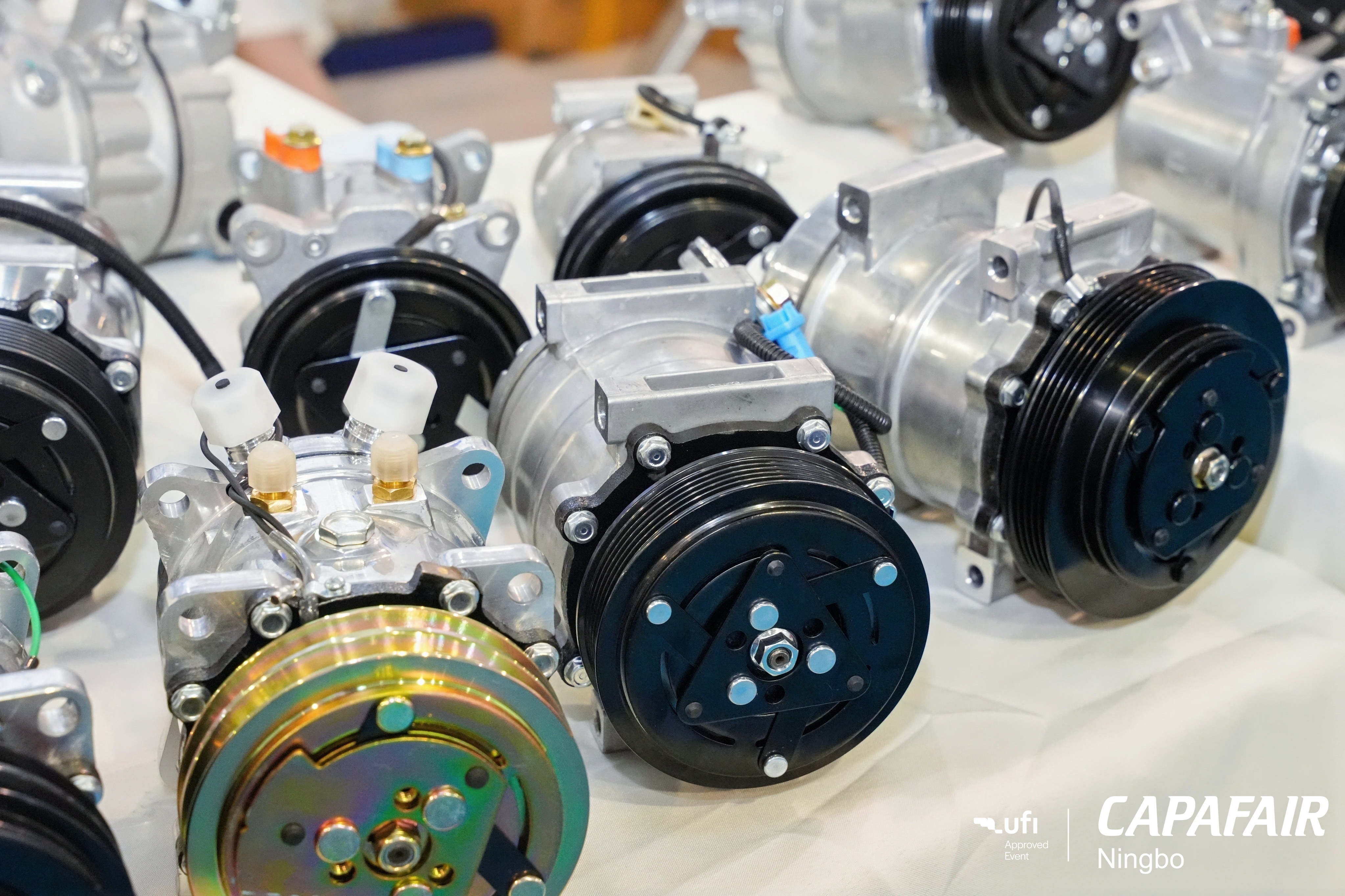
After a vehicle is delivered to the user, the story does not end. As the vehicle continues to be used, demands for maintenance, wear-part replacement, fault repair and other services keep arising. Automotive supplies, modification and upgrading, testing equipment and maintenance products constitute a huge automotive aftermarket.
From engines, chassis and body structural parts to wiring harnesses, lights and electronic control systems, and then to tires, filters and other aftermarket replacement parts, behind every segmented category are professional manufacturers and supply chain systems.
For vehicle manufacturers, component supply affects product development and production delivery; for global auto parts buyers, finding suppliers with suitable categories, reliable quality and stable supply is the foundation for sustainable business development.
Three practical problems in auto parts procurement
01 Dispersed categories: how to improve sourcing efficiency?
Take an importer dealing in automotive aftermarket parts as an example. Its procurement list may simultaneously involve braking components, filters, lights, chassis parts, automotive electrical products and repair tools.
If each category requires separately finding suppliers and establishing contact one by one, the buyer will have to invest a lot of time in information collection, product screening and business communication.
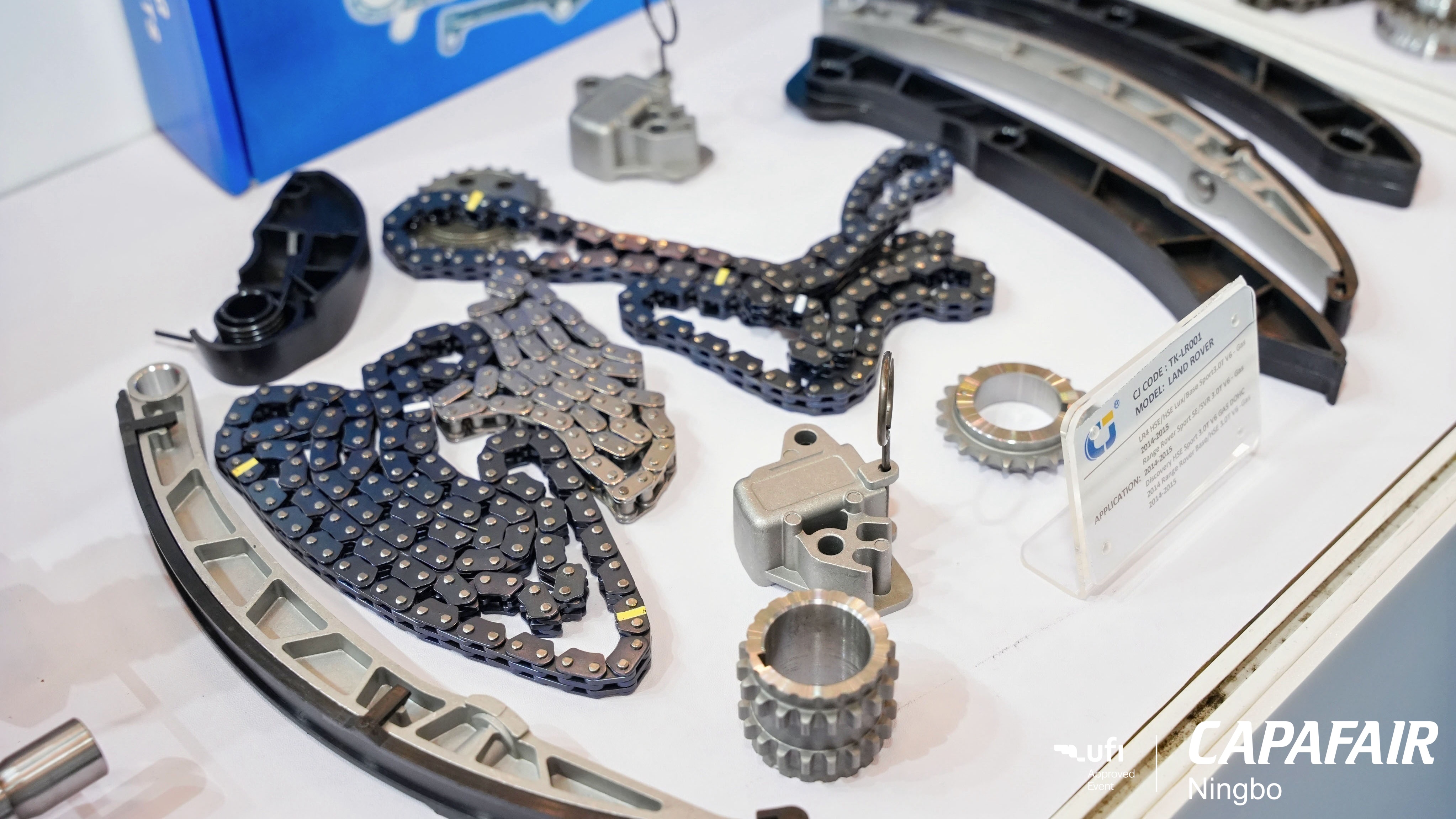
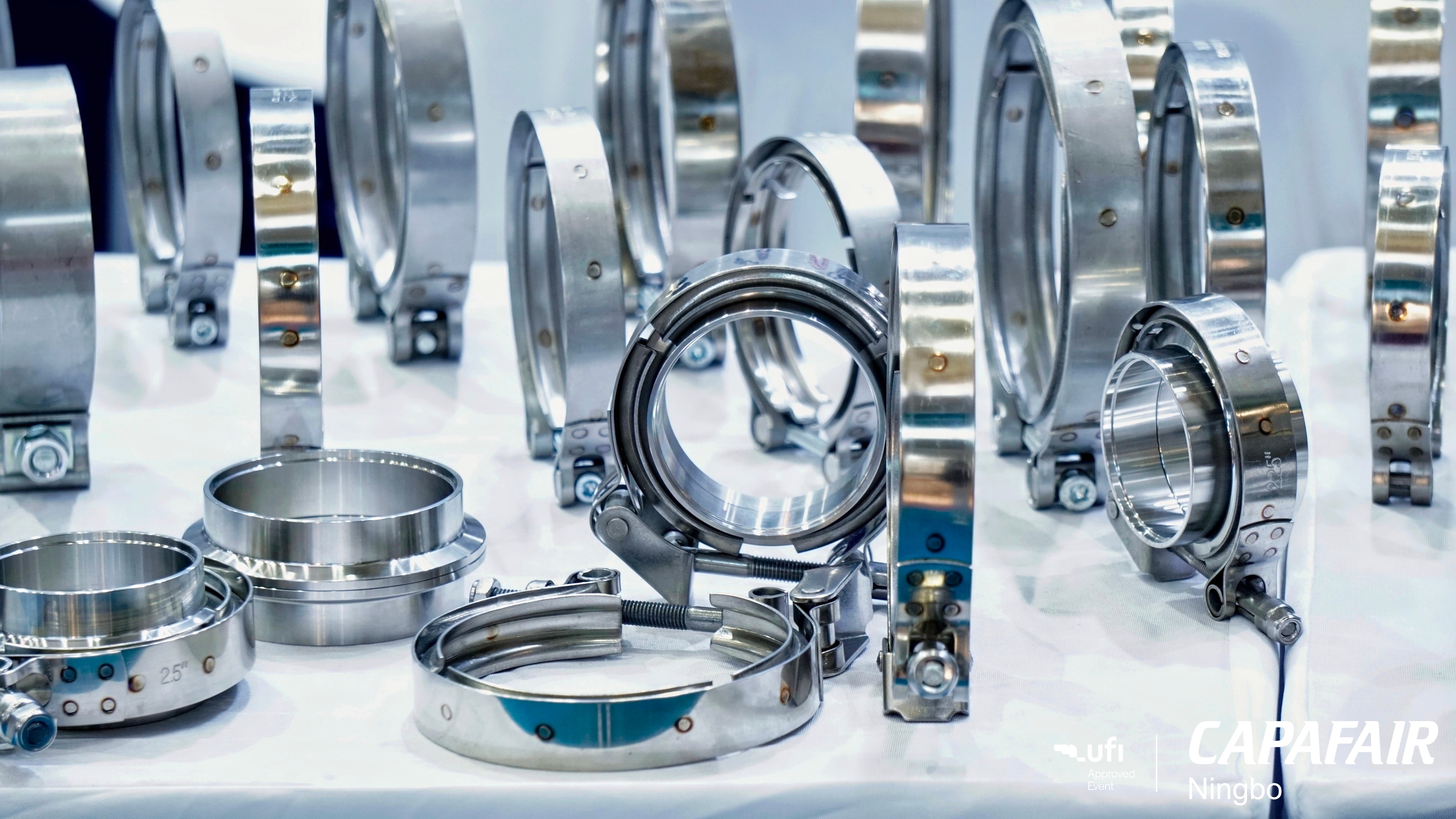
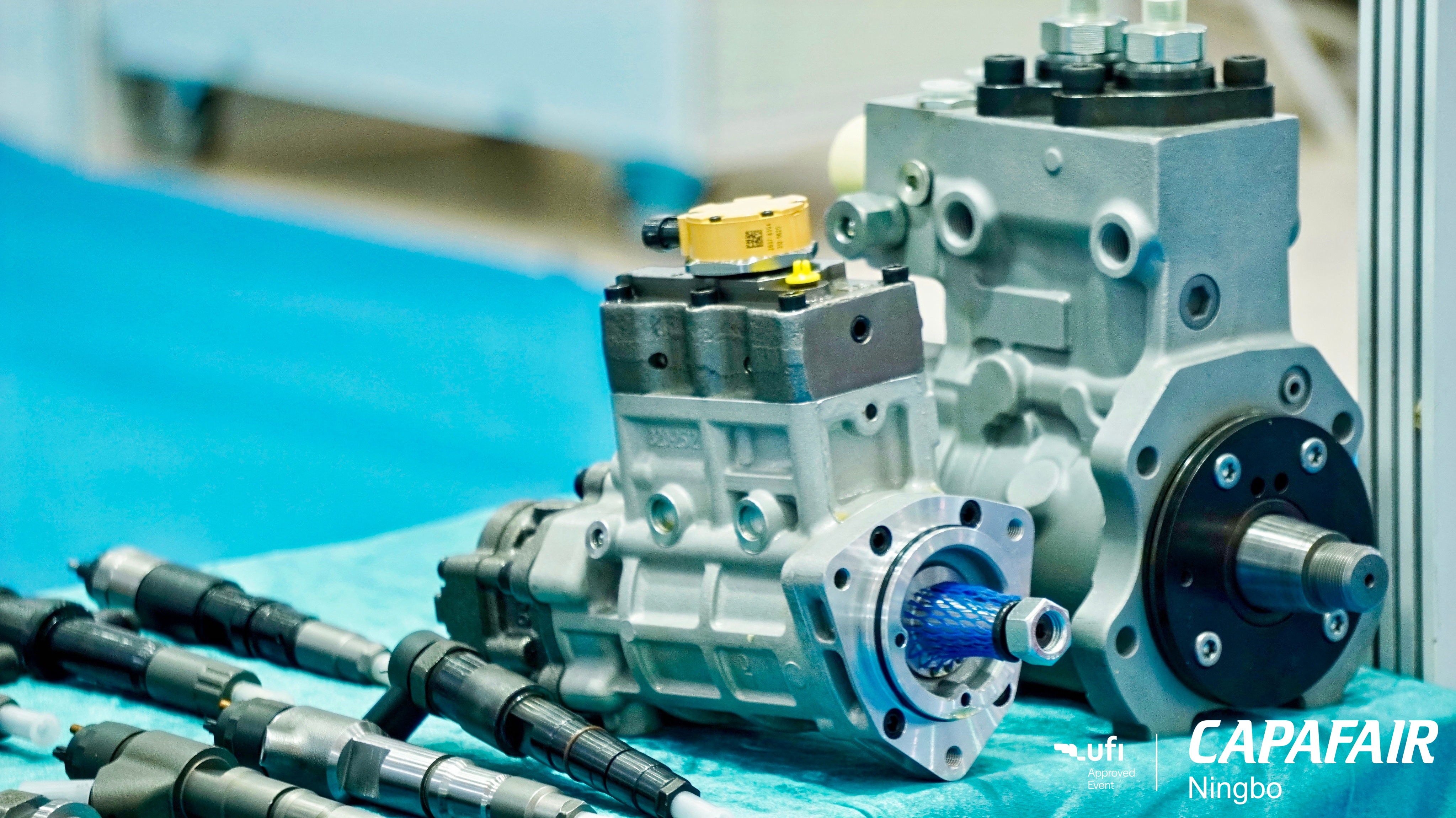
How to contact more relevant suppliers and expand supply options within limited time is an important step in improving procurement efficiency.
02 Complex vehicle models and specifications: how to screen suitable products?
Auto parts have strong fitment attributes. Even within the same category, different brands, models, model years and configurations may correspond to different product specifications, interfaces, dimensions or performance requirements.
Therefore, buyers cannot judge applicability only by product name or appearance; they also need to check product parameters, fitment information and relevant technical data in light of specific application scenarios.
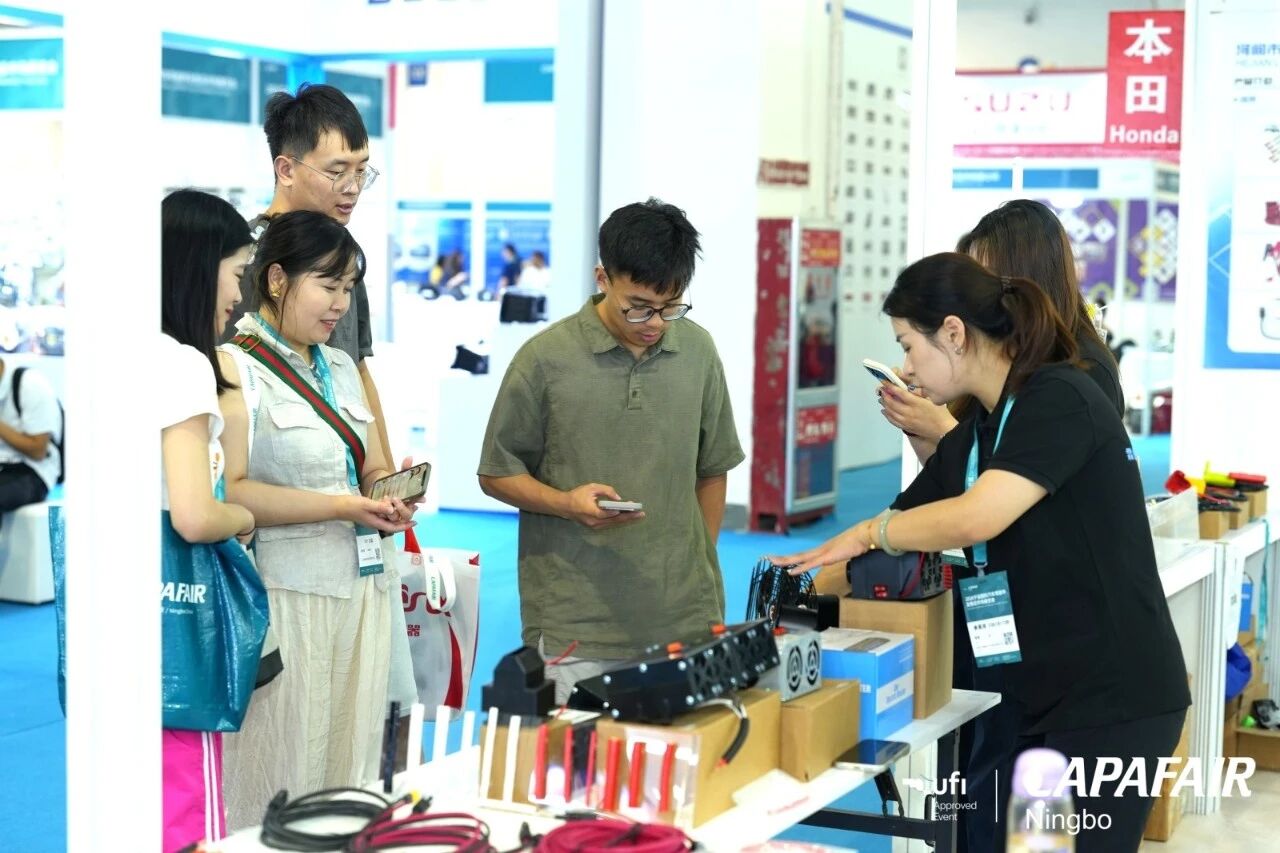
In the procurement process, being able to directly understand product information and communicate technical details with suppliers helps narrow the screening scope and provides a basis for subsequent sample confirmation and procurement evaluation.
03 Many supplier choices: how to evaluate cooperation conditions?
For importers, wholesalers and channel distributors that need long-term stable supply, finding products is only the first step.
A factory’s production capacity, quality management, product development capability, delivery cycle and export supporting experience are also important evaluation factors.
Especially when procurement involves multiple categories, building a stable supplier network helps optimize the procurement structure, diversify supply risks and accumulate resources for subsequent business expansion.
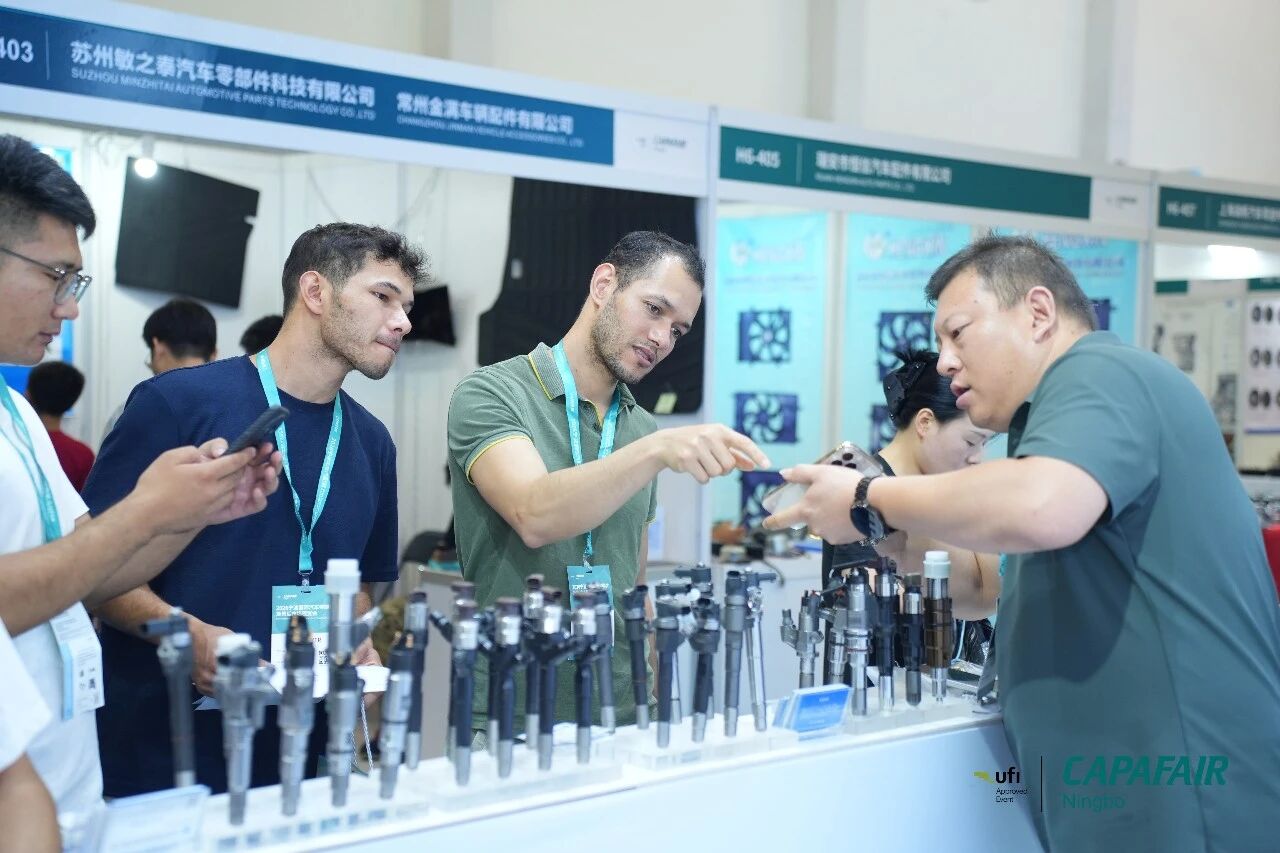
Improving sourcing efficiency, confirming product fitment and evaluating supplier cooperation capabilities are key links in auto parts procurement from finding supply sources to stable cooperation.
For Chinese auto parts enterprises with mature manufacturing capabilities, how to effectively reach overseas buyers and obtain face-to-face communication opportunities is also an important issue in developing international markets.
At one end are the diverse and segmented procurement needs of the global market; at the other end are the rich manufacturing resources of China’s auto parts industry. How can supply and demand sides establish contact more efficiently?
CAPAFAIR: An Export-Oriented Auto Parts Trade Fair
CAPAFAIR 2027 will be significantly upgraded to nine exhibition halls! It will gather 2,200+ source suppliers and bring mature products that have achieved mass production and are ready for shelf, welcoming global buyers for on-site inspection and sample verification. It will focus on displaying six major sectors: Auto Parts & Components, Automotive Electrical & Electronics, Automotive Accessories & Customizing, New Energy & Lightweighting, Repair, Inspection & Maintenance, and Processing Technology & Equipment, covering vehicle OEM supporting, aftermarket replacement, modification and upgrading and other procurement fields.
1. Auto Parts & Components: Engine systems, Body systems, Wear parts, Standard parts, Air-conditioning systems, Chassis systems, Braking systems
2. Automotive Electrical & Electronics: Automotive electronic products, Vehicle lighting, Drive motor systems
3. Automotive Accessories & Customizing: Interior & exterior accessories, Car care & detailing products, Safety products, Automotive customizing products, Automotive service tools, Lubricants & oils, Tires & wheels and more
4. New Energy & Lightweighting: Automotive batteries,Charging facilities, Electronic control systems, Thermal management systems, Automotive lightweighting products, technologies and equipment
5. Repair, Inspection & Maintenance: Workshop equipment, Repair tools, Vehicle diagnostic equipment and services, Car washing equipment and services, Automotive maintenance, Car care, detailing and refurbishment, Automotive painting and anti-corrosion solutions
6. Processing Technology & Equipment: Processing equipment, Surface treatment, Molds and related equipment, Industrial robots, Die casting and casting
7. Comprehensive Services & Others: Research institutions and industry associations, Media, Motorcycle parts and accessories, Supply chain services, Platforms and service providers
In addition to the six core exhibit sectors, the exhibition also gathers research institutions, industry organizations, industry media, cross-border platforms and other related resources, providing more possibilities for industry exchanges and business matchmaking!
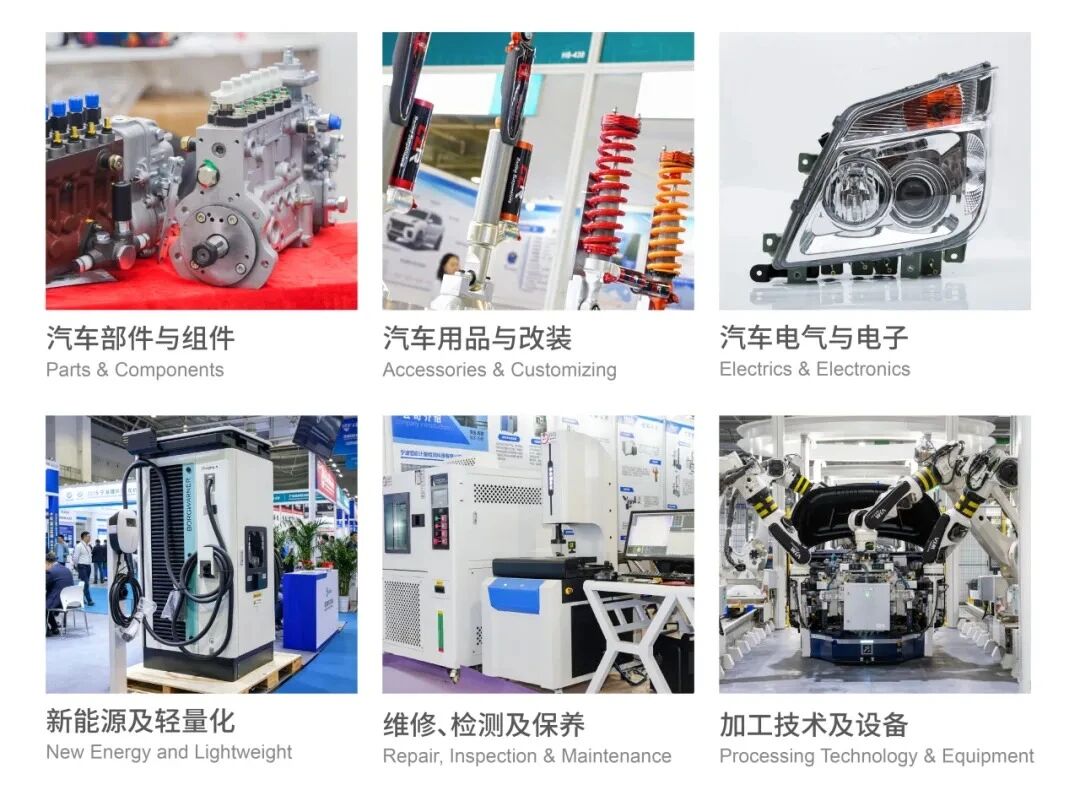
The six sectors are closely interlinked
One-stop procurement + trend insights + precise matchmaking
Lock in incremental business opportunities in the peak season for global buyers
June 30–July 2, 2027
Ningbo International Convention and Exhibition Center
We look forward to gathering with colleagues in the global auto parts industry in Ningbo to expand business opportunities together.


 8