Welcome to 东方港湾展览!
, Entry
CHINA NINGBO INTERNATIONAL AUTOPARTS & AFTERMARKET FAIR 2027

 2027/08/14
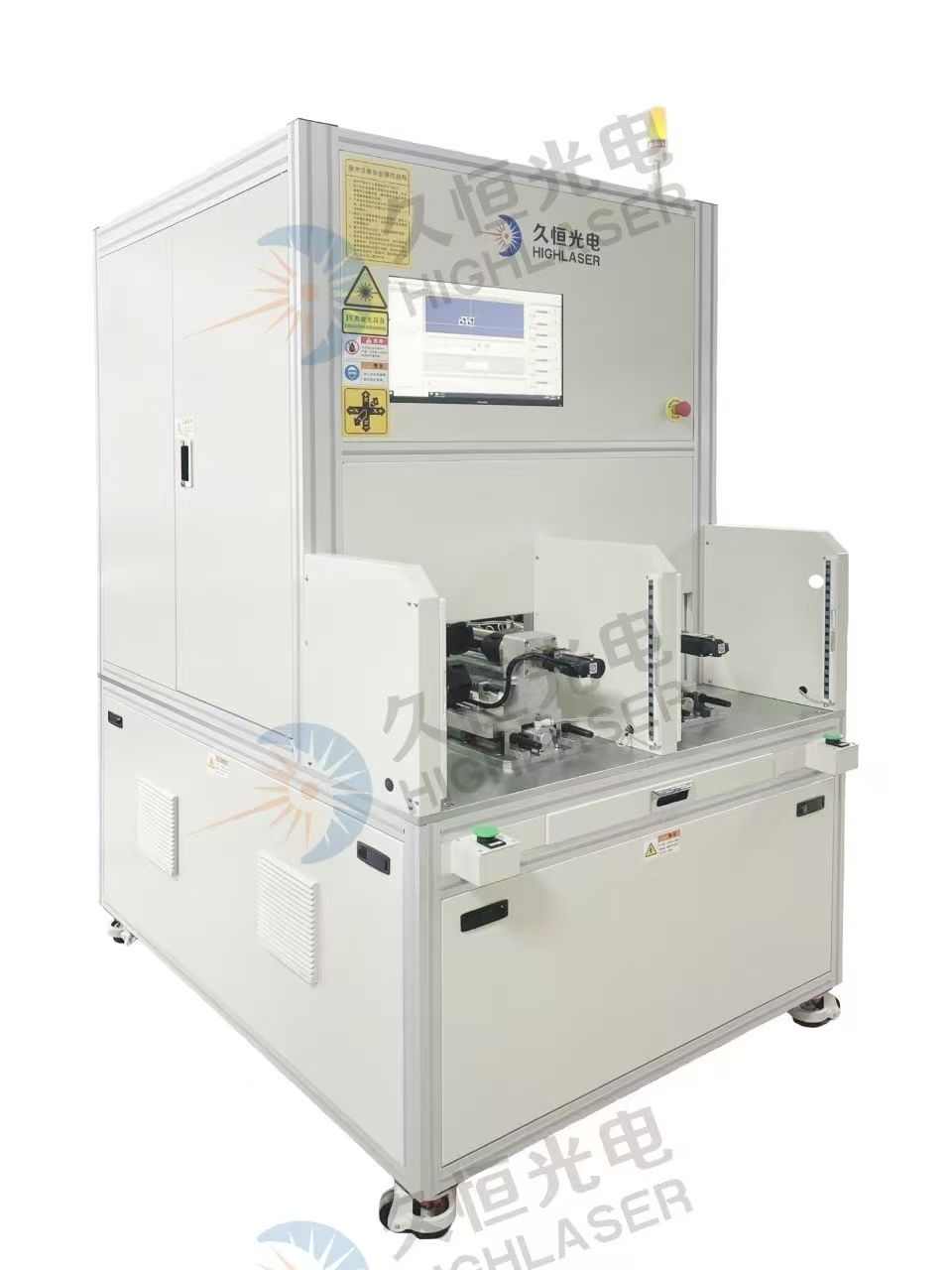
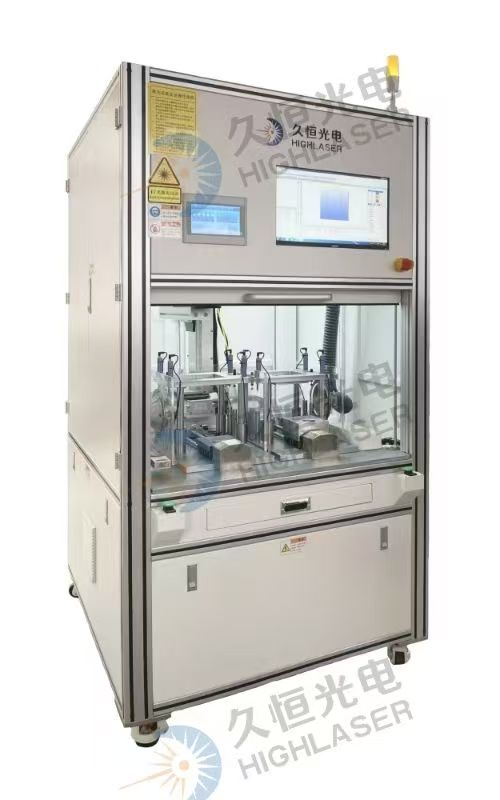
[Equipment Introduction]
Designed specifically for small flat components and plastic parts requiring stringent airtightness, JiuHeng Optoelectronics introduces the quasi-synchronous plastic laser welding machine. Utilizing high-speed scanning galvanometer technology, this equipment perfectly replaces traditional ultrasonic welding, offering automotive electronics and precision component manufacturers a low-cost, highly efficient, and flexible production solution.
[Core Specifications and Configuration]
Welding Method: Quasi-synchronous laser transmission welding
Laser Power: 200W ~ 500W (selectable)
Working Area: 100mm × 100mm to 200mm × 200mm (selected based on actual requirements)
Weld Line Width: 1.8mm ~ 2.5mm (selected according to process needs)
Intelligent System: Standard HL-series dedicated welding software (supports fast diagram editing); optional high-precision melt depth measurement system available
[Four Key Technical Advantages]
Precise Depth Control for Stronger Welds
Unlike conventional point-by-point welding, this system employs "simultaneous material melting along the entire weld line" technology, delivering continuous energy output until target specifications are met. This ensures uniform weld depth and completely eliminates issues such as cold or over-welding.
No Complex Molds Required—Fast Changeover
The scanning unit supports fully digital programming, eliminating the need for expensive, complex molds. Changeovers require only replacing the recommended positioning fixture and adjusting software parameters—ideal for small-batch, multi-variety flexible manufacturing.
Significant Cost Reduction and Higher Profit Margins
Compared to ultrasonic or traditional laser welding, it dramatically reduces mold development and maintenance costs, resulting in a shorter ROI (return on investment) cycle.
Sealing Assurance with Visible Quality
High laser energy efficiency produces uniform, dense weld seams. The optional melt depth measurement system enables precise qualitative evaluation of weld quality, meeting automotive-grade sealing traceability requirements.
[Typical Application Scenarios]
Ideal for precision electronic components demanding extreme sealing performance:
Automotive Electronics: EPB electronic parking brake housings, tire pressure sensor casings, water valves, expansion valves, etc.
Precision Devices: Various sensors requiring high-level IP protection, medical consumables, battery enclosures