欢迎来到 [东方港湾展览]
, 进入
2026宁波国际汽车零部件及售后市场展览会
At a recent press conference held by the State Council Information Office as part of the "Launching the 15th Five-Year Plan" series, Sun Meijun, Commissioner of the General Administration of Customs (GACC), introduced a newly released policy document to Chinese and international media—the 15th Five-Year Plan for Port Modernization.
Approved by the State Council and jointly issued by the General Administration of Customs and the National Development and Reform Commission (NDRC), the plan serves as the national blueprint for China's port development during the 15th Five-Year Plan period.
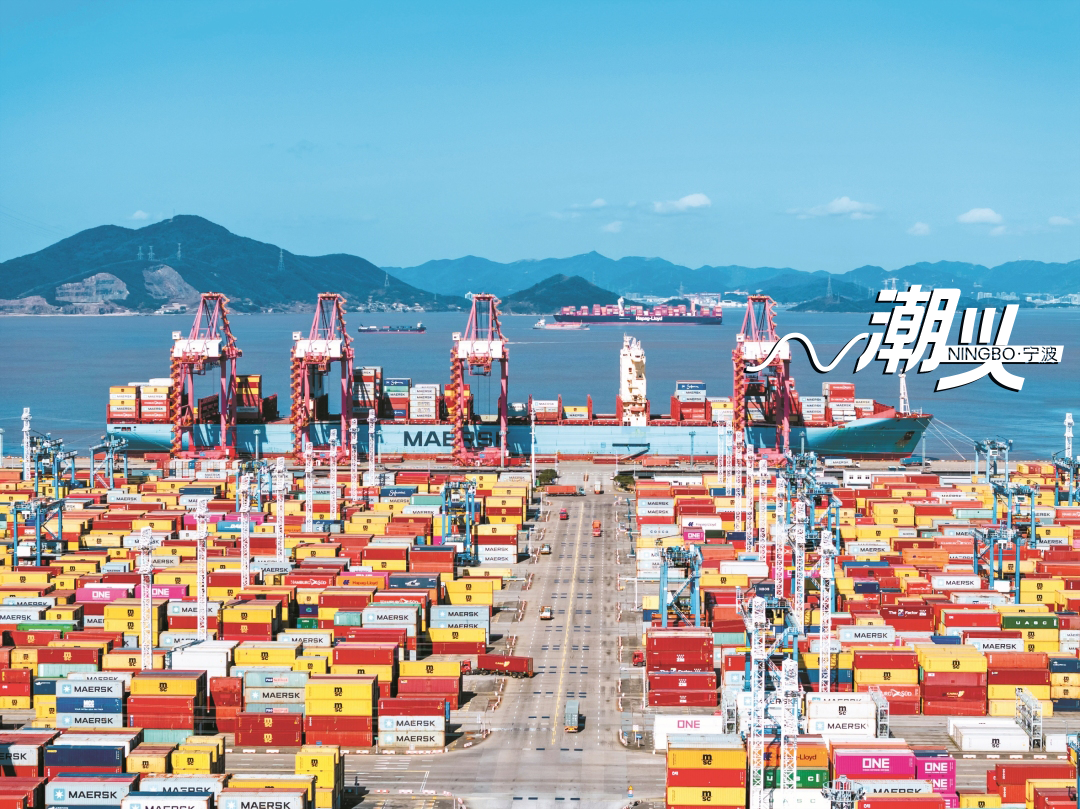
Throughout the document, Ningbo-Zhoushan Port is highlighted multiple times. The Ningbo port area has been selected for both the Port Infrastructure and Inspection Facilities Upgrading Program and the Smart Port Development Program, while the Zhoushan port area has been included in the Smart Port Development Program.
The plan sets ambitious goals for China's ports: by 2030, significant progress is expected in port modernization, and by 2035, a modern port system aligned with China's modernization goals is expected to be largely established.
From a port perspective, the vision can be summarized in one key concept: regional connectivity and economic integration. Modern ports are not merely gateways for cargo movement—they are strategic hubs that connect regional economies and strengthen supply chains.
Domestically, Ningbo has been incorporated into the functional integration zone of the Shanghai Metropolitan Area, while the Shanghai–Ningbo Cross-Sea Corridor is progressing rapidly. Once completed, the corridor will substantially reduce the geographical barrier of Hangzhou Bay and further enhance regional connectivity.
Internationally, Ningbo-Zhoushan Port serves as the most convenient maritime gateway for the Yangtze River Economic Belt. Every step toward upgrading the port directly contributes to lowering logistics costs and enhancing the industrial competitiveness of provinces along the Yangtze River.
Over the next five years, Ningbo will accelerate the development of a national bulk commodity storage and transportation hub, expand its international shipping network to more than 270 international routes, and increase annual sea-rail intermodal container throughput to over 3 million TEUs. These targets outline the port's roadmap for evolving from one of the world's largest ports into one of its strongest.
According to officials from the Ningbo Port Office, the port's inclusion in both the Port Infrastructure and Inspection Facilities Upgrading Program and the Smart Port Development Program demonstrates the central government's recognition of Ningbo's growing strategic importance. While one initiative focuses on strengthening physical infrastructure, the other enhances digital capabilities and operational efficiency. Together, they represent two complementary pillars in building a world-class international port.
Another notable achievement is the inclusion of the expanded opening-up of Ningbo Port in the national list of waterway ports scheduled for further opening during the 15th Five-Year Plan period. Officials believe this recognition not only acknowledges Ningbo's role in supporting the integrated development of the Yangtze River Delta and ensuring stable industrial and supply chains, but also creates new opportunities for high-quality port development over the next five years.
Ningbo has never stopped planning for the future of its port. Last year, it introduced China's first municipal-level implementation plan for port opening and development while launching the preparation of its 15th Five-Year Plan. This year, the Ningbo Port Opening 15th Five-Year Plan has been officially released, outlining the vision of building five types of modern ports—safe, efficient, smart, law-based, and green—with the goal of making substantial progress toward becoming a world-class port by 2030 and establishing a fundamentally modern port system.
Port modernization extends far beyond the construction of terminals and berths. Equipped with these three national-level recognitions, Ningbo-Zhoushan Port stands at a new starting point. The true challenge now is to translate national strategic vision into tangible, high-quality development—through every vessel that calls at its terminals, every shipment that passes through its gateways, and every day and night of continuous operation at one of the world's busiest ports.
Source: Ningbo Release, Zhejiang Seaport Group, Ningbo-Zhoushan Port Group, Ningbo Daily.
Disclaimer: Portions of the content and/or images in this article are sourced from enterprises or publicly available online resources. If any material infringes upon your copyright or other legal rights, please contact us for prompt removal.
 32
18
13
11
11
10
9
9
9
9
32
18
13
11
11
10
9
9
9
9