欢迎来到 [东方港湾展览] , 进入 2026宁波国际汽车零部件及售后市场展览会
首页 > 头条 > 标准
Ningbo-Zhoushan Port Highlighted in China's 15th Five-Year Plan for Port Modernization
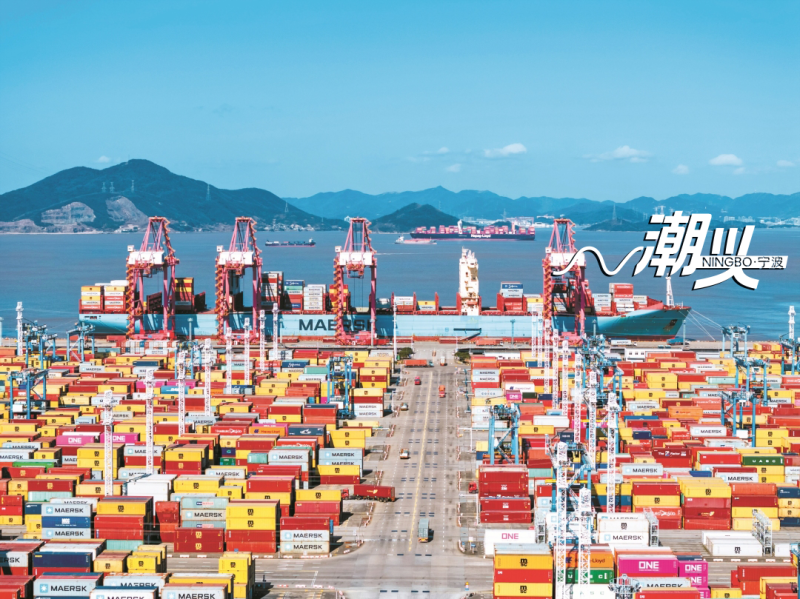
At a recent press conference held by the State Council Information Office as part of the "Launching the 15th Five-Year Plan" series, Sun Meijun, Commissioner of the General Administration of Customs (GACC), introduced a newly released policy document to Chinese and international media—the 15th Five-Year Plan for Port Modernization.Approved by the State Council and jointly issued by the General Administration of Customs and the National Development and Reform Commission (NDRC), the plan serves as the national blueprint for China's port development during the 15th Five-Year Plan period.Throughout the document, Ningbo-Zhoushan Port is highlighted multiple times. The Ningbo port area has been selected for both the Port Infrastructure and Inspection Facilities Upgrading Program and the Smart Port Development Program, while the Zhoushan port area has been included in the Smart Port Development Program.The plan sets ambitious goals for China's ports: by 2030, significant progress is expected in port modernization, and by 2035, a modern port system aligned with China's modernization goals is expected to be largely established.From a port perspective, the vision can be summarized in one key concept: regional connectivity and economic integration. Modern ports are not merely gateways for cargo movement—they are strategic hubs that connect regional economies and strengthen supply chains.Domestically, Ningbo has been incorporated into the functional integration zone of the Shanghai Metropolitan Area, while the Shanghai–Ningbo Cross-Sea Corridor is progressing rapidly. Once completed, the corridor will substantially reduce the geographical barrier of Hangzhou Bay and further enhance regional connectivity.Internationally, Ningbo-Zhoushan Port serves as the most convenient maritime gateway for the Yangtze River Economic Belt. Every step toward upgrading the port directly contributes to lowering logistics costs and enhancing the industrial competitiveness of provinces along the Yangtze River.Over the next five years, Ningbo will accelerate the development of a national bulk commodity storage and transportation hub, expand its international shipping network to more than 270 international routes, and increase annual sea-rail intermodal container throughput to over 3 million TEUs. These targets outline the port's roadmap for evolving from one of the world's largest ports into one of its strongest.According to officials from the Ningbo Port Office, the port's inclusion in both the Port Infrastructure and Inspection Facilities Upgrading Program and the Smart Port Development Program demonstrates the central government's recognition of Ningbo's growing strategic importance. While one initiative focuses on strengthening physical infrastructure, the other enhances digital capabilities and operational efficiency. Together, they represent two complementary pillars in building a world-class international port.Another notable achievement is the inclusion of the expanded opening-up of Ningbo Port in the national list of waterway ports scheduled for further opening during the 15th Five-Year Plan period. Officials believe this recognition not only acknowledges Ningbo's role in supporting the integrated development of the Yangtze River Delta and ensuring stable industrial and supply chains, but also creates new opportunities for high-quality port development over the next five years.Ningbo has never stopped planning for the future of its port. Last year, it introduced China's first municipal-level implementation plan for port opening and development while launching the preparation of its 15th Five-Year Plan. This year, the Ningbo Port Opening 15th Five-Year Plan has been officially released, outlining the vision of building five types of modern ports—safe, efficient, smart, law-based, and green—with the goal of making substantial progress toward becoming a world-class port by 2030 and establishing a fundamentally modern port system.Port modernization extends far beyond the construction of terminals and berths. Equipped with these three national-level recognitions, Ningbo-Zhoushan Port stands at a new starting point. The true challenge now is to translate national strategic vision into tangible, high-quality development—through every vessel that calls at its terminals, every shipment that passes through its gateways, and every day and night of continuous operation at one of the world's busiest ports.Source: Ningbo Release, Zhejiang Seaport Group, Ningbo-Zhoushan Port Group, Ningbo Daily.Disclaimer: Portions of the content and/or images in this article are sourced from enterprises or publicly available online resources. If any material infringes upon your copyright or other legal rights, please contact us for prompt removal.
宁波汽配展
5 天前 标准
692
国家规划三度“点名”宁波舟山港!
日前,国新办“开局起步‘十五五’”系列主题新闻发布会上,海关总署署长孙梅君向中外记者介绍了一份刚刚印发的文件——《口岸现代化“十五五”规划》。这是“十五五”时期全国口岸工作的蓝图。经国务院批准,海关总署与国家发改委联合印发。在这张蓝图上,“宁波舟山港”被反复提及。宁波港域被同时列入“口岸基础设施和查验设施建设改造工程”水运口岸项目和“智慧口岸建设工程”水运口岸项目;舟山港域被列入“智慧口岸建设工程”水运口岸项目。三次国家级“点名”叠加“全球第六”——就在规划发布前不久,宁波舟山在国际航运中心城市排名中跃居全球第六位,从大向强,大港故事正翻开新的一页。图源:宁波发布01细看三次点名,一类指向硬件——口岸基础设施和查验设施建设改造工程。“十五五”期间,海关将实施57个口岸设施改造项目,宁波港域位列其中。按照规划,要“补齐短板、重点突破、整体跃升”,全面加强枢纽和节点口岸基础设施建设。另一类指向软实力——智慧口岸建设工程。海关将43个重点口岸纳入“十五五”国家智慧口岸建设重点,宁波港域和舟山港域双双在列。规划要求推动智慧口岸与智慧海关、智慧边检、智慧交通、智慧应急深度融合,加大“人工智能+”在口岸运行管理、服务保障、通关监管等各业务场景的深度运用。三张“入场券”,意味着在未来五年国家口岸现代化战略中,宁波舟山港被赋予了双重使命:既要当枢纽,也要做标杆。同属一个大港,为何分开点名?答案藏在宁波舟山港的结构与分工里。宁波港域岸线集中、后方陆域宽广,集装箱、散货、油品等多货种兼备,是“全能选手”。舟山港域深水岸线多而散,海岛就是天然屏障,更适合大宗商品储运和加工。《宁波舟山港总体规划(2035年)》提出“一港、两核、二十区”的格局——两个核心,各有分工。国家规划的分开点名,正是对这一定位的确认:舟山专注“做大宗”,宁波专注“做枢纽”。浙江省海港集团、宁波舟山港集团董事长朱苗表示,要推动宁波舟山港口枢纽从大向强跃升、从节点向网络拓展。02三度点名,并不让人意外。2025年,宁波舟山港货物吞吐量突破14亿吨,连续17年位居全球第一;集装箱吞吐量超4300万标准箱,稳居全球第三。宁波口岸进出口总额达2.67万亿元,占全国比重的5.88%。但在港口排名这场长跑里,真正拉开差距的是基础设施和治理能力的现代化。走进梅山港区调度中心,数据流无声奔涌——船舶几点靠泊、哪台桥吊作业、多少辆集卡穿梭,都被实时调度、精准测算。这是自主研发的港口“超级大脑”。在远控操作室里,桥吊司机轻推摇杆,6块高清屏幕从不同角度展示着码头一线的实况。36台远控桥吊、116台远控龙门吊、102辆智能集卡全流程协同作业,AI将配载方案从四五个小时压缩到20分钟以内。“只有不断提升码头作业效率、缩短货轮停泊时间,才能吸引更多船舶选择在此靠泊。”浙江省海港集团、宁波舟山港集团科技中心副主任杨波说。作为宁波舟山港核心组成部分的六横港区佛渡集装箱码头工程,此前已被列入国家“十五五”规划重大工程项目。这是《宁波舟山港总体规划(2035年)》获批后浙江省开工建设的首个投资“百亿级”的港口工程——整体规划利用岸线2850米,拟建设7个20万吨级及以下集装箱泊位,总投资约211亿元。一期工程已于去年9月开工。省海洋经济发展厅厅长李军说,佛渡项目“绝非仅仅是增加几个泊位缓解拥堵,而是为了让长三角乃至长江经济带的国产商品能更高效地‘出海’,让进口的能源、原材料更顺畅地‘入境’,直接服务国内统一大市场的物资流转”。03规划明确:到2030年,口岸现代化建设取得重大进展;到2035年,中国式现代化口岸基本建成。把这段文字翻译成港口的语言,核心只有四个字:辐射带动。口岸不只是货物进出的通道,更是区域经济的连接器。对内,宁波已被纳入上海大都市圈的“同城功能圈”,沪甬跨海通道正在加速推进。这条大动脉一旦打通,杭州湾的阻隔将进一步消解。对外,宁波舟山港是长江经济带最便捷的“出海口”——口岸升级的每一步,都直接影响长江沿线省份的物流成本和产业竞争力。未来五年,宁波将高标准建设国家大宗商品储运基地,国际航线力争突破270条,集装箱海铁联运箱量突破300万标箱。一组组数据背后,是这座港口从大到强的路线图。“此次入围体现了国家对宁波口岸战略地位的进一步确认。”在宁波市口岸办相关负责人看来,同时入选“口岸基础设施和查验设施建设改造工程”与“智慧口岸建设工程”,一个侧重“强筋骨”,一个侧重“提能级”,两条路径共同构成世界一流强港建设的一体两面。此次入围还有一个值得关注的突破。宁波港口岸扩大开放顺利纳入“十五五”期间全国水运口岸扩大开放清单。该负责人表示,这既是国家对宁波口岸服务长三角一体化、保障产业链供应链稳定作用的肯定,也为未来五年口岸高质量发展打开了新的空间。宁波口岸的谋篇布局从未停歇。去年在全国出台首个市级口岸开放布局实施意见、启动“十五五”规划编制;今年《宁波市口岸开放“十五五”规划》已正式印发,锚定平安、效能、智慧、法治、绿色“五型”口岸目标。力争到2030年世界一流口岸建设取得显著进展,基本建成中国式现代化口岸。一个港口的现代化,从来不只是码头的事。三张“入场券”在手,宁波舟山港已站上新的起跑线——如何把国家战略的“大写意”落笔为高质量发展的“工笔画”,答案不在规划里,在下一艘靠泊的巨轮上,在下一单货物的流转中,在大港的每一个日与夜。来源:宁波发布、浙江省海港集团、宁波舟山港集团、宁波日报
宁波汽配展
5 天前
494
工信部印发国家汽车芯片标准体系建设指南
工信部印发国家汽车芯片标准体系建设指南
宁波汽配展
2 年前 标准
148
中国汽车芯片标准检测认证联盟正式成立
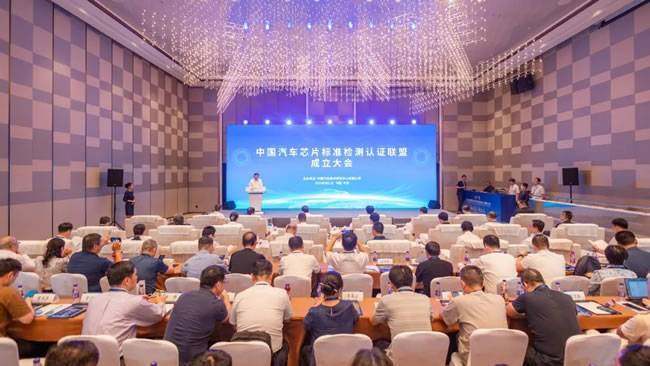
2023年9月1日,在工业和信息化部、国务院国资委、国家市场监督管理总局以及天津市政府的大力支持和具体指导下,中国汽车技术研究中心有限公司牵头筹备的中国汽车芯片标准检测认证联盟在天津正式成立。
宁波汽配展
2 年前
116
欧盟电池法正式生效!国内电池厂家扛得住吗?
8月17日,欧盟公示满20天的《欧盟电池和废电池法规》便将正式生效。核心要求:谁生产谁回收、谁进口谁回收。
宁波汽配展
3 年前
152
欧7排放法规涉及电动车:首次引入刹车和轮胎标准
近日,欧洲第七阶段排放标准提案公布,为促进减排,此次提案引入了刹车和轮胎标准,新规还将规范安装在汽车和货车上的电池的耐用性,以增加消费者对电动汽车的信心。
宁波汽配展
3 年前
156
首页
上一页
1
下一页
尾页